
Hair Loss Education
Understanding Hair Loss
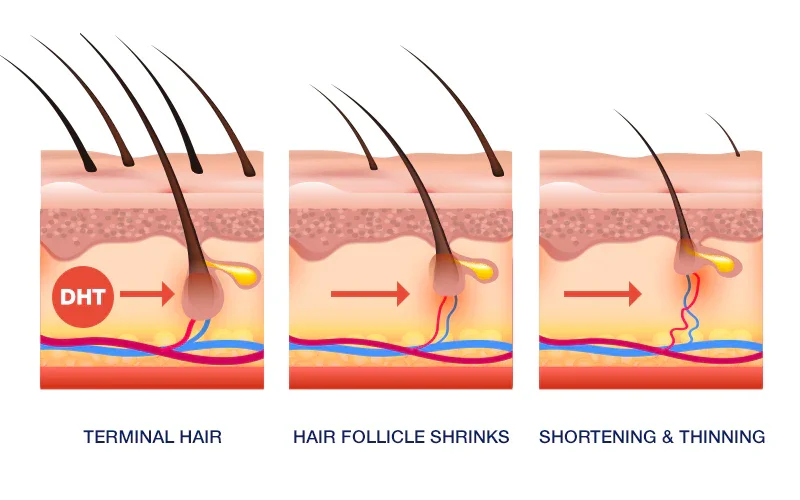
Hair loss (also called alopecia) affects both men and women and can happen for many reasons—genetics, hormones, stress, medical conditions, or lifestyle factors. Understanding why hair loss happens is the first step toward choosing the right solution.
Male Pattern Baldness
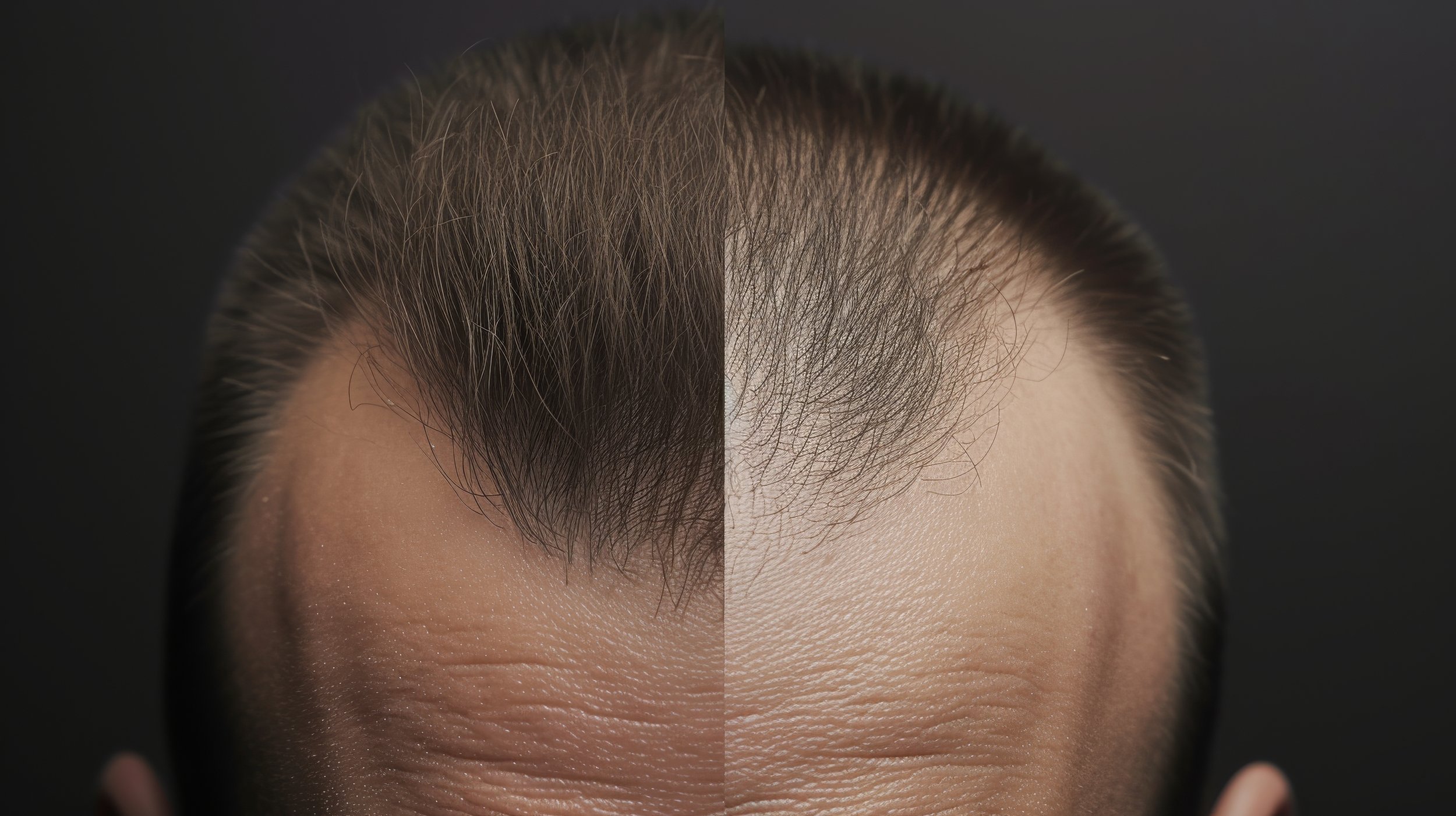
Male Pattern Baldness (MPB)—medically known as androgenetic alopecia—is the most common form of hair loss in men. It is progressive, genetic, and driven by hormonal sensitivity, not poor hygiene or lifestyle.
DHT Inhibitors & Vitamins
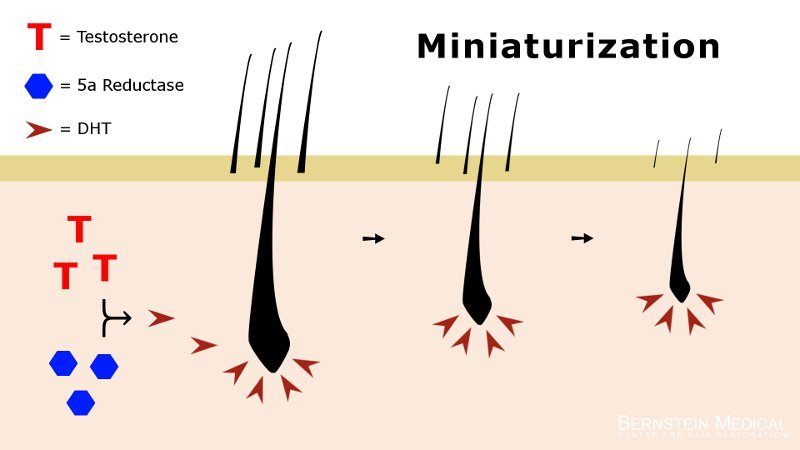
Hair loss (also called alopecia) affects both men and women and can happen for many reasons—genetics, hormones, stress, medical conditions, or lifestyle factors. Understanding why hair loss happens is the first step toward choosing the right solution.
What can be done about it?
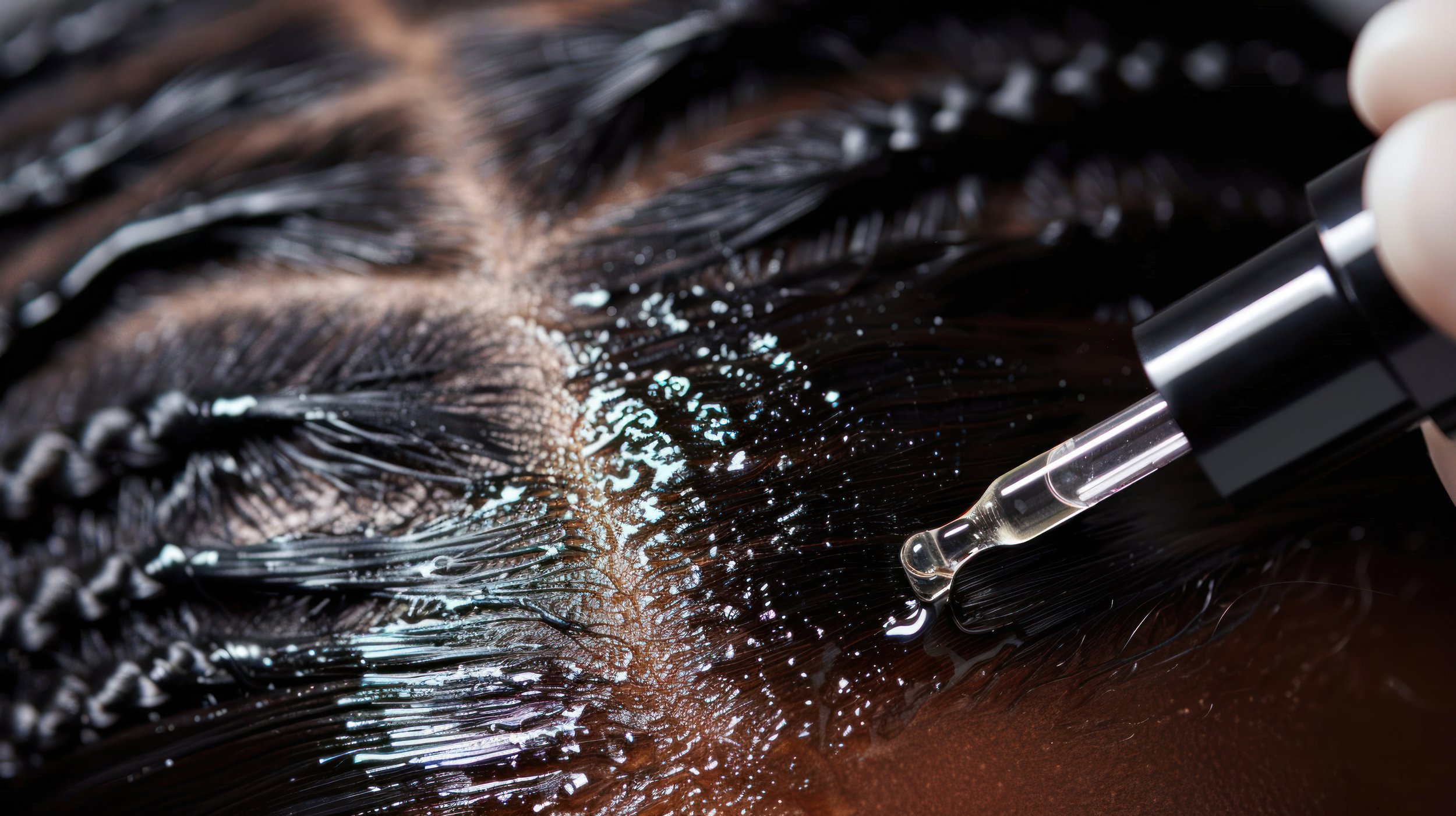
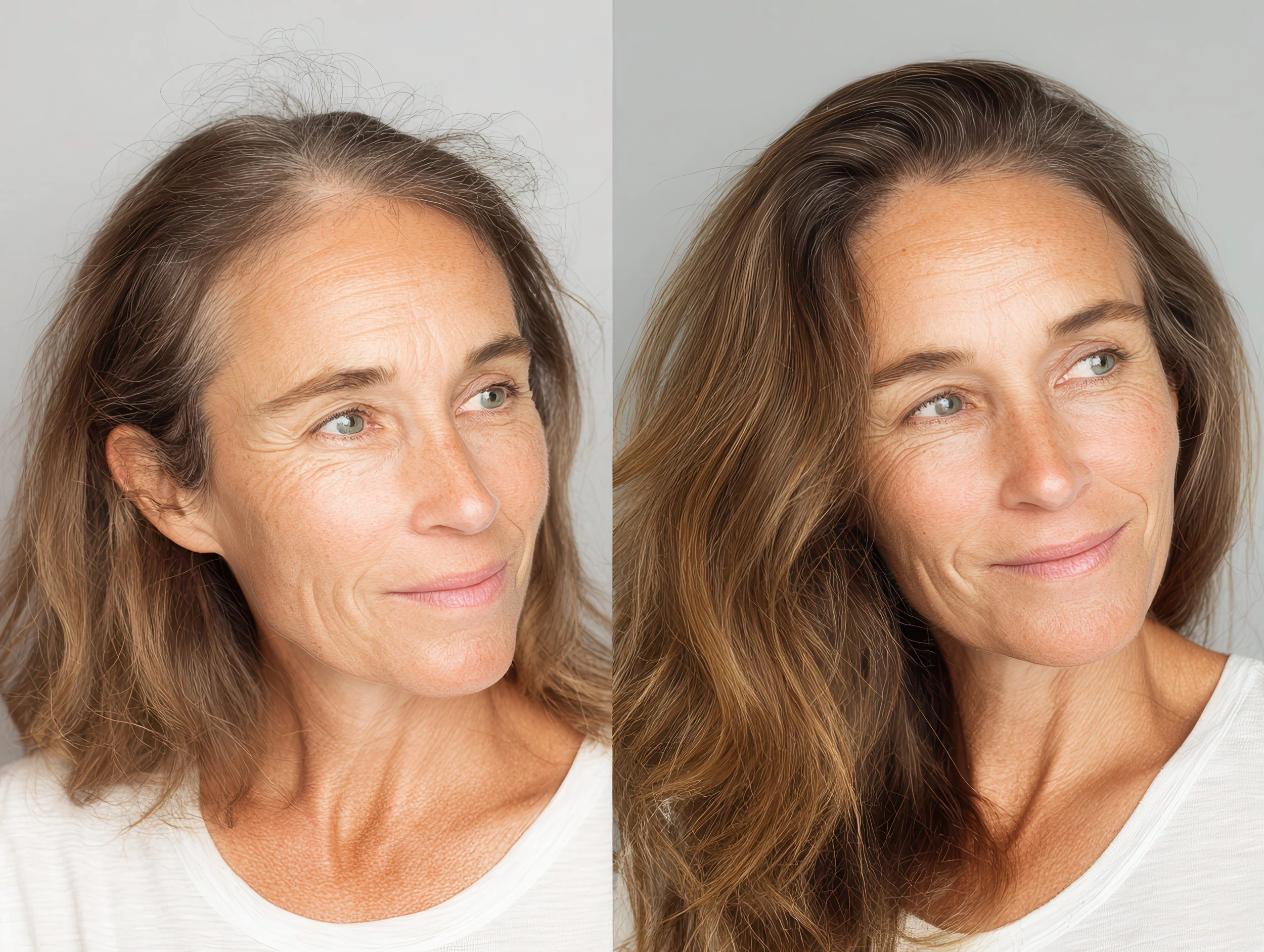
Hair loss affects both women and men, and while causes vary, many forms can be slowed or improved with early, personalized treatment. Focusing on scalp health, follicle support, and the root cause helps protect existing hair and promote healthier regrowth.
Lifestyle Changes
Lifestyle plays an important role in hair health for both women and men. Managing stress, maintaining a balanced diet rich in protein, iron, and essential vitamins, getting adequate sleep, and avoiding smoking can all support healthier hair growth.
Therapy Options
Our hair restoration approach begins with a scalp analysis and Zyto Scan to better understand factors contributing to hair loss. Treatment options may include laser therapy, topical treatments, and customized hair units for cosmetic density, along with both non-surgical and surgical options to match each client’s needs, goals, and stage of hair loss.
Schedule a consultation today.